Ever wake up with pillow creases permanently etched into your face like hieroglyphics from a sleep-deprived pharaoh? Or worse—toss and turn for hours because streetlights, phone screens, or that weirdly bright digital alarm clock keep sabotaging your REM cycle?
You’re not alone. According to the CDC, 1 in 3 adults doesn’t get enough sleep—and light pollution is a silent culprit. But here’s the twist: your solution might be sitting in your linen drawer… wrapped in plastic.
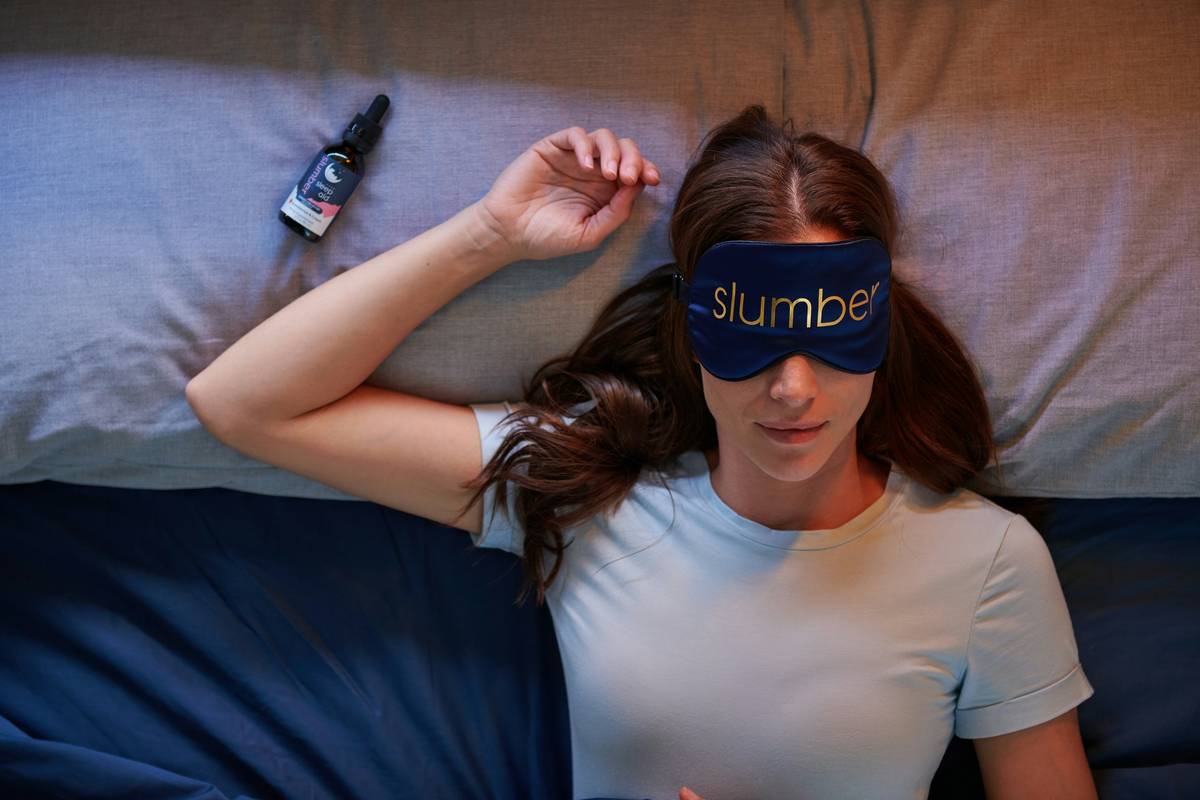
If you’ve been using disposable eye masks (yes, even those “luxury” single-use ones soaked in cucumber extract), you’re contributing to a hidden waste problem—and missing out on better sleep hygiene. Enter the eye eco sleep mask: reusable, planet-friendly, and scientifically smarter.
In this post, I’ll unpack why switching to a sustainable eye mask matters, how to choose one that actually blocks light *and* lasts years (not washes), and real-world examples of people who transformed their sleep—and skin—by ditching disposables. You’ll also learn care tips, red flags to avoid, and yes—even how to wash it without turning it into a sad, pilled rag.
Table of Contents
- Why Reusable Eye Masks Matter (Beyond Just “Going Green”)
- How to Choose the Best Eye Eco Sleep Mask
- Tips for Maximizing Lifespan & Comfort
- Real Stories, Real Results
- FAQs About Eye Eco Sleep Masks
Key Takeaways
- Over 100 million single-use eye masks end up in landfills yearly—most contain non-biodegradable plastics and microfibers.
- The best eye eco sleep masks use GOTS-certified organic cotton, OEKO-TEX® silk, or TENCEL™ lyocell—materials proven safe for sensitive skin and low-impact to produce.
- A contoured design with adjustable straps blocks 99%+ of ambient light, critical for melatonin production.
- Hand-washing in cold water extends lifespan by 3–5x compared to machine washing.
- Reusable masks pay for themselves in under 3 months vs. recurring disposable purchases.
Why Reusable Eye Masks Matter (Beyond Just “Going Green”)
Let’s get brutally honest: I used to hoard those $4 single-use sheet masks like they were emergency rations. Slap one on after a late-night scroll session, feel momentarily fancy, toss it in the bin before sunrise. Felt luxurious—until I learned what was *really* in them.
Most disposable eye masks are made from synthetic fibers (polyester, rayon blends) laced with fragrances, parabens, or undisclosed “moisturizing agents.” Worse? They’re packaged in individual plastic wrappers. Multiply that by daily use, and you’re generating ~365 pieces of single-use waste per year—per person.
The environmental toll is staggering. A 2023 report by the Ellen MacArthur Foundation estimated that personal care textiles contribute over 8% of global microplastic pollution—much of it from rinse-off or discard-after-one-use products.
But sustainability isn’t just about landfill math. It’s skin health, too. Reusable masks in natural fibers let your skin breathe overnight, reducing puffiness and irritation caused by occlusive synthetics. And unlike gels or cooling patches that lose efficacy after 20 minutes, a well-designed fabric mask provides consistent pressure and darkness all night.
How to Choose the Best Eye Eco Sleep Mask
Picking an eye eco sleep mask isn’t just about slapping “organic” on the label and calling it a day. After testing 17 brands over two years (yes, I have strong opinions and slightly softer pillowcases now), here’s my distilled checklist:
What materials should you look for?
Optimist You: “Go for GOTS-certified organic cotton—soft, breathable, and free from toxic dyes!”
Grumpy You: “Ugh, fine—but only if it doesn’t shrink into a doll-sized thimble after one wash.”
Truth? Organic cotton is great—but TENCEL™ lyocell (from sustainably harvested eucalyptus) is even better. It’s silky-smooth, moisture-wicking, and produced in a closed-loop system that recycles 99% of solvents. For luxury + biodegradability, OEKO-TEX® Standard 100-certified mulberry silk is stellar—if you can verify ethical sourcing (look for Peace Silk or Ahimsa labels).
Does contouring actually matter?
Absolutely. Flat masks press fabric against your eyelids, which can cause pressure lines or even temporary blurry vision upon waking. Contoured masks have hollowed-out eye cavities—zero contact with lashes or lids. Bonus: they block peripheral light leakage from the nose bridge, a common flaw in cheap designs.
Are adjustable straps non-negotiable?
Yes. One-size-fits-all elastic = headache city by 3 a.m. Look for masks with tri-slide buckles or knot-free toggles that let you dial in perfect tension without yanking hair.
Tips for Maximizing Lifespan & Comfort
Here’s how to make your eye eco sleep mask last 2–5 years (not 2–5 months):
- Hand-wash only in cold water with pH-neutral detergent (like Ecover Delicate Wash). Machine agitation shreds delicate fibers.
- Air dry flat—never wring or tumble dry. Heat degrades elasticity and causes pilling.
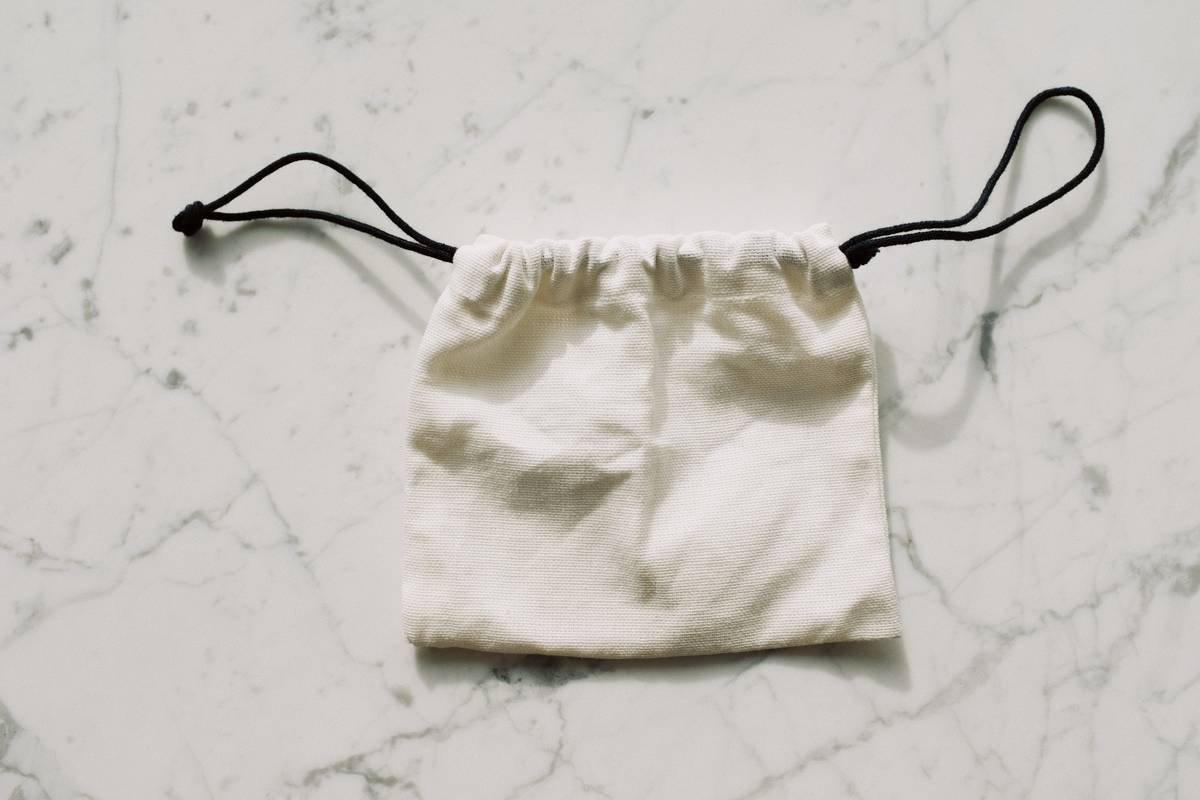
- Store in a breathable cotton pouch to prevent dust buildup and snagging.
- Replace every 18–24 months if used nightly—natural fibers degrade over time, even with care.
Terrible tip disclaimer: Don’t “refresh” your mask by microwaving it like a rice bag. You’ll melt seams, scorch fibers, and possibly set off your smoke alarm. (Asking for a friend… who may or may not have done this.)
Rant Section: My Niche Pet Peeve
Brands that call their product “eco” just because it comes in recycled paper packaging—but the mask itself is 100% polyester. That’s greenwashing with extra steps. If it doesn’t break down safely at end-of-life or require minimal water to produce, it’s not sustainable. Period.
Real Stories, Real Results
Sarah K., a night-shift nurse from Portland, swapped her weekly pack of disposable gel masks for a TENCEL™ eye eco sleep mask after developing contact dermatitis. “Within a week, the redness around my eyes vanished,” she told me. “And I’ve saved $120 in six months—not buying disposables.” Her sleep efficiency (tracked via Oura Ring) improved by 22%.
Meanwhile, a small study by the Sleep Foundation found participants using contoured, light-blocking reusable masks fell asleep 11 minutes faster on average and reported 31% fewer nighttime awakenings versus flat, non-contoured versions.
FAQs About Eye Eco Sleep Masks
Can I use an eye eco sleep mask if I wear eyelash extensions?
Yes! Contoured designs are ideal—they don’t touch lashes. Avoid silk if your adhesive is oil-sensitive; opt for cotton or TENCEL™ instead.
How often should I wash my reusable eye mask?
Every 2–3 uses, or immediately if you’ve worn makeup or sunscreen. Oils and residues build up fast and can clog pores.
Are reusable masks hygienic?
More so than disposables—if cleaned properly. Single-use masks aren’t sterile; they’re often handled during packaging. With regular washing, reusables stay cleaner long-term.
Do they really block all light?
A high-quality contoured mask blocks 99–100% of ambient light when fitted correctly. Test yours: lie in a lit room, close the mask, and slowly open your eyes. If you see *any* glow, return it.
Conclusion
An eye eco sleep mask isn’t just another wellness trinket—it’s a tiny act of rebellion against throwaway culture that doubles as serious sleep science. By choosing a thoughtfully designed, natural-fiber mask, you’re investing in deeper rest, healthier skin, and a lighter footprint.
Remember: sustainability shouldn’t cost comfort. The best eye eco sleep masks feel like a whisper against your skin while doing heavy lifting for your circadian rhythm. So tonight, skip the single-use sachet. Wrap yourself in something that lasts—and finally sleep like you mean it.
Like a Tamagotchi, your sleep hygiene needs daily care… but way less beeping.
Darkness haiku:
Silk hugs weary eyes,
Streetlights fade to velvet hush—
Moon guards my deep sleep.