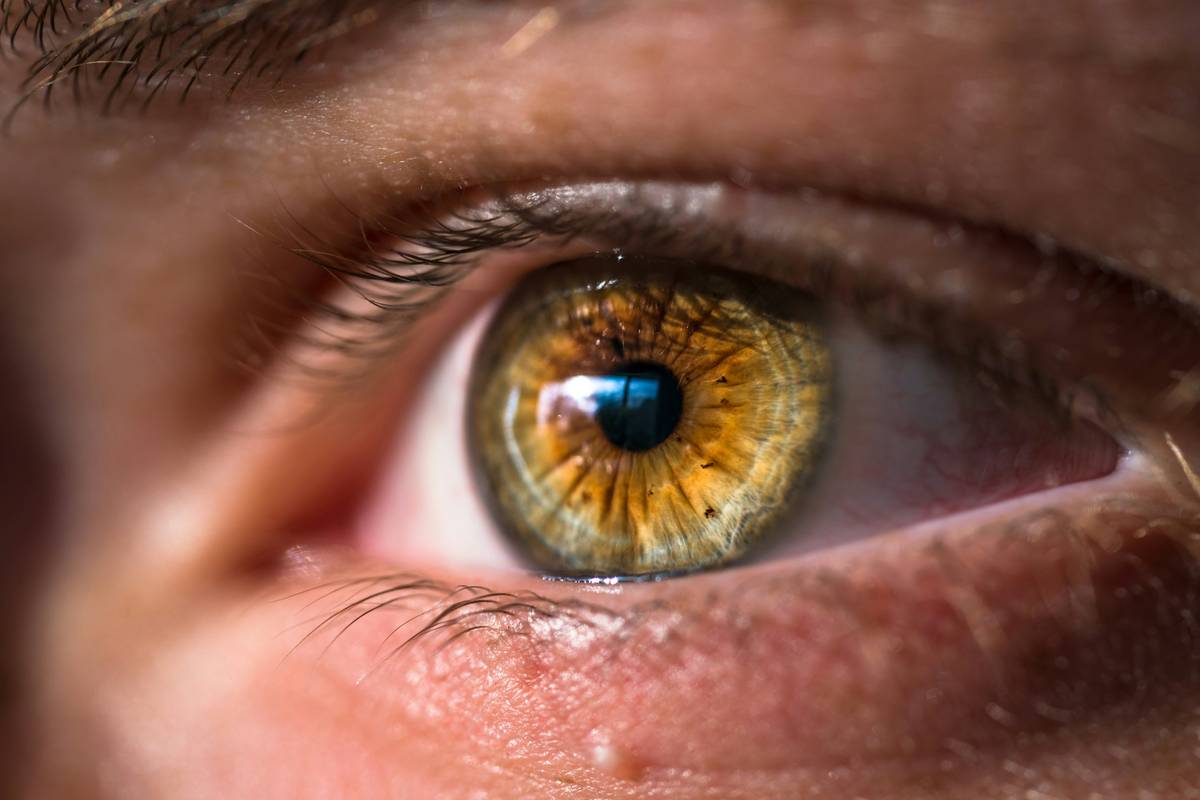
Tired eyes. Puffy mornings. Dark circles that won’t quit. You’ve tried every serum, chilled spoon trick, and overpriced gel patch on the market—yet nothing sticks. And worse? Most “quick fixes” come wrapped in single-use plastic, tossed after 15 minutes. That’s not care. That’s waste dressed as wellness. The real solution isn’t disposable—it’s durable. Enter restoring eye masks designed to last, heal, and respect the planet.
Why Disposable Eye Treatments Are Failing You (And the Planet)
Let’s be blunt: single-use eye gels are landfill bait with a luxury price tag. They promise hydration but deliver microplastics. And the “natural” ones? Often soaked in preservatives just to survive shelf life. You’re not treating your skin—you’re feeding greenwashing cycles.
Here’s the reality: skin recovery around the eyes needs consistent, gentle support—not a one-time shock. Cold compresses wear off. Serums evaporate. But reusable systems? They adapt. They accumulate benefits over time. Yet most brands hide this truth because repeat purchases = less profit.
How to Choose and Use Restoring Eye Masks That Actually Work
Not all reusable eye masks are created equal. Material, fit, and maintenance dictate results. Skip gimmicks. Focus on function.
Material Matters More Than Marketing
Silicone traps heat but suffocates delicate skin. Cotton lacks thermal retention. The sweet spot? Organic bamboo velour lined with medical-grade flaxseed or clay beads. Breathable, moldable, and naturally antimicrobial.
Temperature Control Is Non-Negotiable
Cold reduces puffiness. Warmth eases tension and boosts circulation. A quality restoring eye mask should toggle between both—without leaking, cracking, or smelling like a sauna gone wrong.
Cleaning Without Compromise
If it can’t be hand-washed in under 30 seconds with mild soap, it’s not sustainable. Period.
| Type | Cost Over 1 Year | Waste Generated | Efficacy Duration |
|---|---|---|---|
| Single-Use Gel Patches (daily) | $260+ | ~365 wrappers + patches | 10–15 minutes |
| Reusable Flaxseed Mask | $28 (one-time) | Zero (if maintained) | 20+ minutes per use, improves with routine |
| Chilled Metal Rollers | $45 | Minimal (but limited effect) | 5 minutes max; no hydration boost |
The Industry Secret No Brand Wants You to Know
Most “luxury” eye treatments rely on placebo cooling—not active restoration. But here’s what dermatologists quietly recommend: consistency beats intensity. A $25 reusable mask used nightly does more than ten $8 sheet masks. Why? Because micro-trauma from adhesive removal (yes, those sticky patches pull at fragile skin) accelerates aging. And constant temperature shifts—from fridge to face—confuse your skin barrier.
The math is simple: durability = stability = better results. Yet big beauty profits from churn. So they’ll never tell you that your grandma’s flannel cloth soaked in chamomile? Still smarter than 90% of what’s trending on TikTok.

Frequently Asked Questions
How often should I use restoring eye masks?
Daily use is safe—if your mask is non-irritating and clean. Morning for de-puffing, night for relaxation. Listen to your skin, not influencers.
Can reusable masks reduce dark circles long-term?
Indirectly, yes. By improving circulation and reducing inflammation, consistent use lightens appearance over weeks—not days. Patience pays.
Are DIY eye masks as effective as store-bought?
Sometimes. A cold green tea bag works in a pinch. But structured, weighted masks offer targeted pressure and even temperature—something loose herbs can’t match.