Dark circles. Screen fatigue. That low-grade tension behind your eyes that won’t quit. You’ve tried everything—cold spoons, drugstore gels, even those weird cucumber slices from Pinterest. But most “solutions” are single-use, wasteful, or barely cool for five minutes. What if your relaxation ritual didn’t cost the earth—literally? Enter the relaxation aid reusable eye mask doe: a quiet revolution in sustainable self-care that actually works.
Why Disposable Eye Masks Are Failing You (and the Planet)
Convenience has a hidden tax. Those gel-filled masks? They leak. Microwaveable rice sacks grow mold in 30 days. And every time you toss one, you feed landfills with non-biodegradable polymers and microplastics. Worse—they rarely maintain consistent temperature. Cold fades fast; heat turns scalding. Your nervous system needs steady sensory input to downshift. Fluctuating temps = failed relaxation.
And consider the supply chain. Most single-use masks ship globally wrapped in plastic. The carbon footprint per 10-minute session? Absurd. Sustainability isn’t just about recycling—it’s about refusing to consume in the first place.
How to Choose & Use a Reusable Eye Mask Like a Pro
Not all reusable eye masks are created equal. Material, fill, fit, and care dictate performance. Here’s how to get it right—every time.
Fabric Matters More Than You Think
Silk feels luxurious—but it’s slippery, expensive, and delicate. Organic cotton? Breathable, hypoallergenic, and holds moisture evenly. Bamboo viscose? Naturally antimicrobial and silky-soft without the ethical baggage of conventional silk. Avoid polyester blends—they trap heat and sweat, defeating the purpose.
The Fill Dictates Function
Flaxseed. Lavender buds. Glass beads. Each offers distinct thermal properties. Flaxseed molds to facial contours and retains cold/heat longer than rice. Lavender adds aromatherapy benefits—but can degrade over time. Glass microbeads offer weightless cooling but lack therapeutic warmth. Match the fill to your primary need: sleep support, migraine relief, or screen recovery.
Cleaning Without Compromise
Never soak or machine-wash unless explicitly labeled safe. Spot-clean with diluted vinegar or castile soap. Air dry flat in shade—sunlight degrades natural fibers. Store in a breathable cotton pouch, not plastic. This preserves integrity and prevents mildew.
| Material + Fill Type | Lifespan (Months) | Best For | Avg. Cost/Use ($) |
|---|---|---|---|
| Organic Cotton + Flaxseed | 18–24 | Migraine relief, deep sleep | $0.03 |
| Bamboo + Lavender | 12–18 | Stress reduction, aromatherapy | $0.05 |
| Synthetic Blend + Gel Pack | 3–6 | Temporary cooling (post-screen use) | $0.25 |
| Disposable Single-Use Mask | 0.03 (one-time) | Emergency only | $1.50+ |
The Industry Secret No One Talks About: Weight Equals Calm
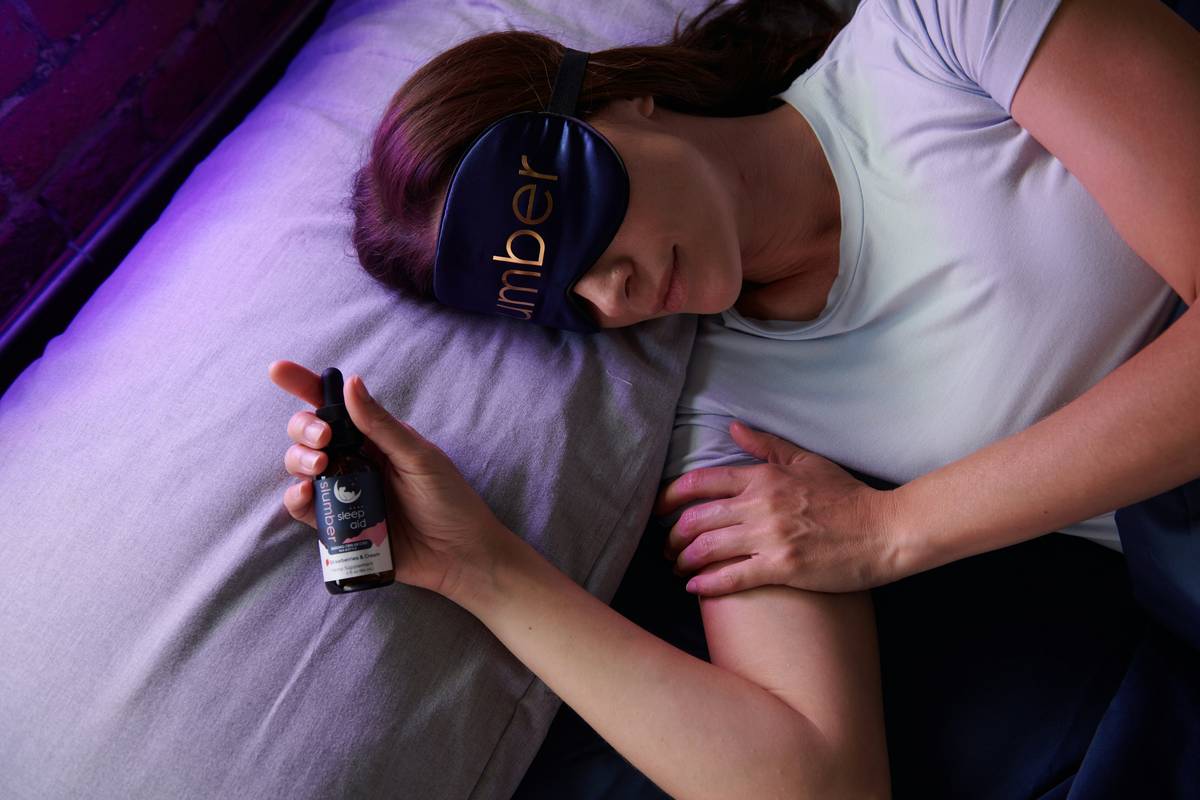
Here’s what big wellness brands won’t tell you: gentle pressure—not just temperature—is key to activating the parasympathetic nervous system. A properly weighted reusable eye mask (ideally 8–12 oz) applies subtle acupressure on orbital nerves. This mimics the “oculocardiac reflex”—a physiological hack that slows heart rate and lowers cortisol within 90 seconds. Most disposable masks weigh under 2 oz. They float. They don’t ground you. The relaxation aid reusable eye mask doe works because it combines thermal stability, natural materials, and intentional heft. It’s biofeedback you can wear.
Think about it: newborns calm when swaddled. Adults respond to weighted blankets. Why wouldn’t your eyes—among the most sensitive sensory organs—crave gentle compression? The math is simple. Light touch + consistent coolness = neural reset.
Frequently Asked Questions
Can I freeze a reusable flaxseed eye mask?
Yes—but never below -4°F (-20°C). Extreme cold makes flaxseed brittle. Freeze for 20–30 mins max. Always wrap in thin cloth before applying to avoid frostbite.
How often should I replace my reusable eye mask?
Every 12–24 months, depending on fabric and usage. If it smells musty after cleaning or loses thermal retention, retire it. Compost natural fills; recycle fabric if facilities exist.
Are these safe for sensitive skin?
Absolutely—if made with undyed organic cotton or Oeko-Tex certified bamboo. Avoid synthetic dyes and fragrance additives. Patch-test first if you’re prone to contact dermatitis.

Your eyes deserve better than landfill fodder disguised as self-care. A true relaxation aid reusable eye mask doe merges planetary responsibility with neurological intelligence. Stop buying bandaids for burnout. Invest in one well-made mask—and use it nightly for years. Ready to upgrade your wind-down ritual? Start with materials that respect both your body and biosphere.